Scalping Trading
Holding positions for seconds to minutes to capture micro-price changes with high transaction frequency.
Explore how trading works, discover the markets available to you, and learn the essentials before you get started with Bold Prime.
Have questions? Our team is available via Web Chat to help you get started.
Start with the basics, then build your understanding one topic at a time.
Holding positions for seconds to minutes to capture micro-price changes with high transaction frequency.
Opening and closing all trades within the same single day, leaving no positions open overnight.
Holding assets for several days or weeks to profit from expected price swings or market momentum.
Maintaining a long-term approach over months or years to focus on macro trends rather than daily fluctuations.
Start with the basics, then build your understanding one topic at a time.
Basics
Understand the basic idea of participating in financial markets.
Learn more about What is trading?Guide
A practical starting point for new traders.
Learn more about Trading for beginnersHow-to
Learn the key steps behind opening and managing a position.
Learn more about How to place a tradeMindset
Explore discipline, decision-making and emotional control.
Learn more about Trading psychologyRisk
Learn how traders think about risk before entering the market.
Learn more about Risk managementAnalysis
An introduction to charts, price action and common indicators.
Learn more about Technical analysis basicsTrade with Bold Prime
Explore account options, platforms and tools designed to support your market journey.
Explore Trading
A framework area for live pricing, movement and quick market comparison.
| Market | Sell | Buy | Change |
|---|---|---|---|
| EUR/USD | 1.0924 | 1.0927 | +0.18% |
| GBP/USD | 1.2818 | 1.2821 | +0.09% |
| USD/JPY | 147.52 | 147.57 | -0.11% |
| AUD/USD | 0.6612 | 0.6615 | +0.24% |
| USD/CHF | 0.8794 | 0.8797 | -0.07% |
| USD/CAD | 1.3548 | 1.3551 | +0.12% |
Prices shown in this framework are placeholders for layout planning.
Introduce different approaches without implying that one style fits every trader.

Build a stronger foundation with practical trading approaches and explore key trading strategies and learn how to apply them with insights from Ang Kar Yong.
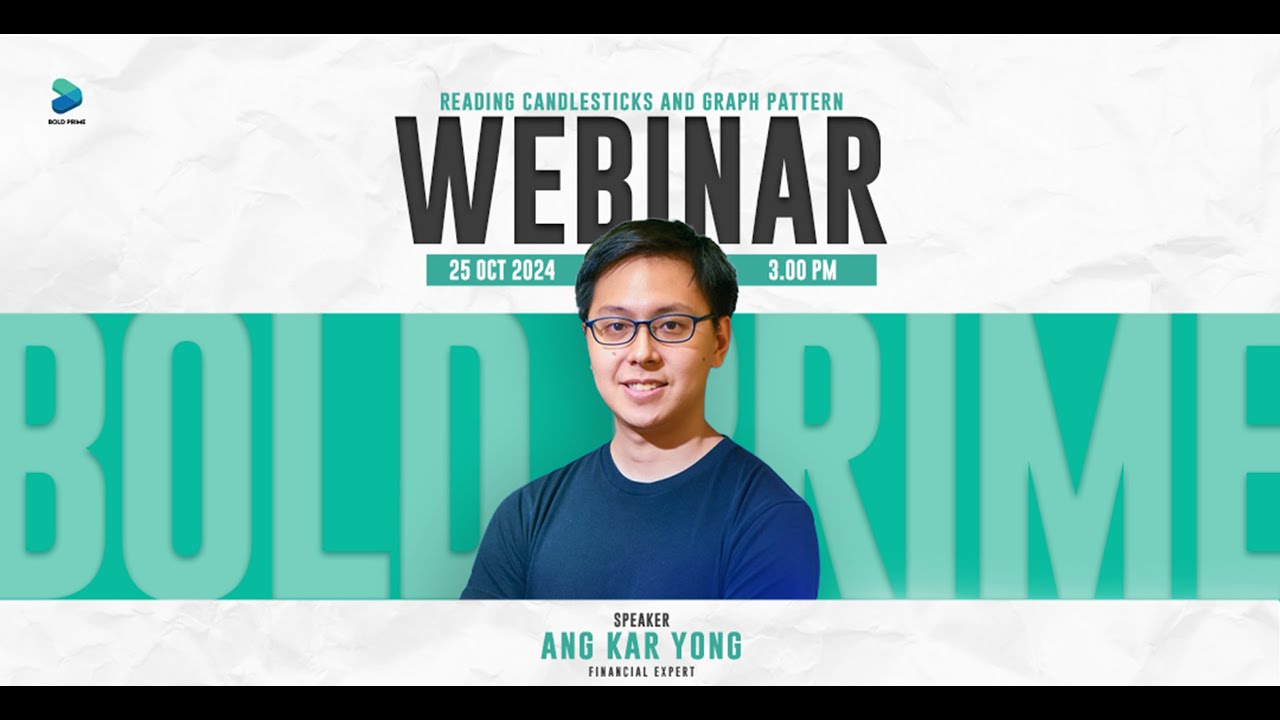
Understand what price charts are telling you and learn how to read candlesticks and identify common chart patterns with insights from Ang Kar Yong.

Learn from common missteps and build better trading habits and discover practical ways to avoid common trading mistakes with insights from Ang Kar Yong.
Trading is buying or selling an instrument to profit from a change in its price. You do not have to own the asset: with a Contract for Difference you agree to exchange the difference in price between the moment you open a position and the moment you close it. That is why you can profit when a market falls as well as when it rises, and why a loss is possible in both directions too.
Every trade has four decisions behind it: which market, which direction, how large, and where you get out. Beginners usually focus on the first two. The last two decide whether an account survives long enough to improve.
Currency pairs such as EUR/USD and USD/JPY. The largest and most traded market in the world, open 24 hours on weekdays.
Gold, silver and other precious metals, often traded when currency markets are volatile.
Baskets that track a whole stock market, so a single position reflects a broad economy rather than one company.
Energy and agricultural products such as oil and natural gas, driven by supply, demand and global events.
Price movements of individual listed companies, traded as CFDs without owning the underlying share.
Digital assets such as Bitcoin and Ethereum. Prices can move sharply in both directions.
Register with your email, choose the account type that matches your experience and complete the online form. It takes a few minutes.
Upload a valid ID and a proof of address. Verification protects your funds and is required before your first withdrawal.
Deposit with cards, bank transfer, e-wallets or crypto. Start with an amount you are comfortable putting at risk.
Download MT4 or MT5, pick an instrument, set your stop loss and take profit, then open a position sized to your account.
Analyze the markets with flexible conditions and excellent performing tools for traders.
Open Bold Prime AccountRisk warning: CFDs are leveraged products and carry a high risk of losing money rapidly. You should consider whether you understand how these products work and whether you can afford to take the high risk of losing your money. Past performance is not a guide to future results.